
Less than a week after OpenAI released its new GPT-5 model, the rollout has already become one of the most turbulent in ChatGPT’s history. Intense user backlash forced CEO Sam Altman to issue a rare public apology and rapidly reverse decisions that upended thousands of workflows.
The core controversy stemmed from OpenAI’s move to eliminate access to all previous ChatGPT models—around nine, depending on how you count them—the moment GPT-5 became available. Unlike developers using the API, regular ChatGPT users received no advance warning. Their preferred models simply vanished overnight, a move highlighted by independent researcher Simon Willison, who criticized the sudden deprecation in a blog post.
Problems appeared immediately after GPT-5 launched on August 7. A Reddit thread titled “GPT-5 is horrible” exploded with more than 2,000 comments within days as frustrated users complained about performance changes, tone differences, and the removal of models they relied on.
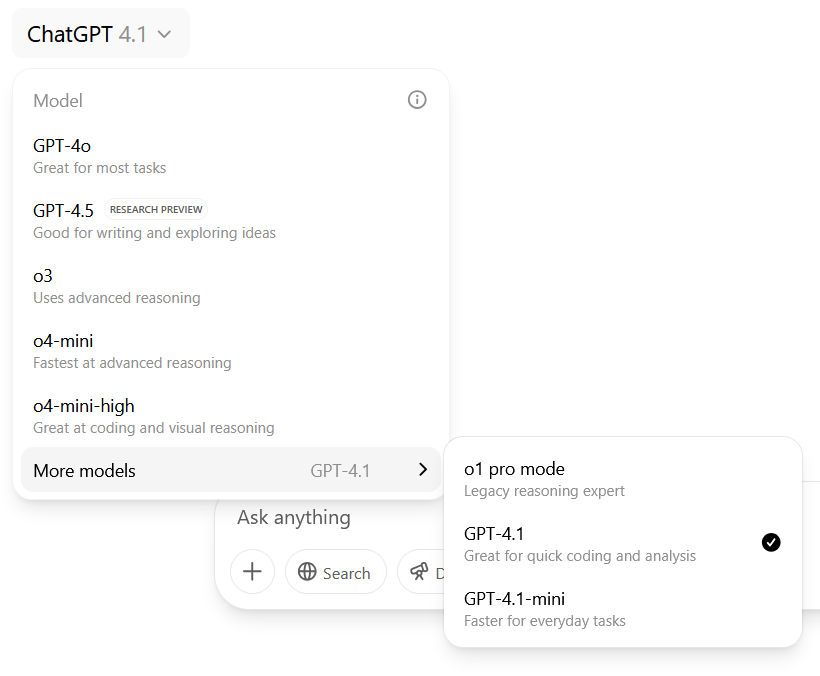
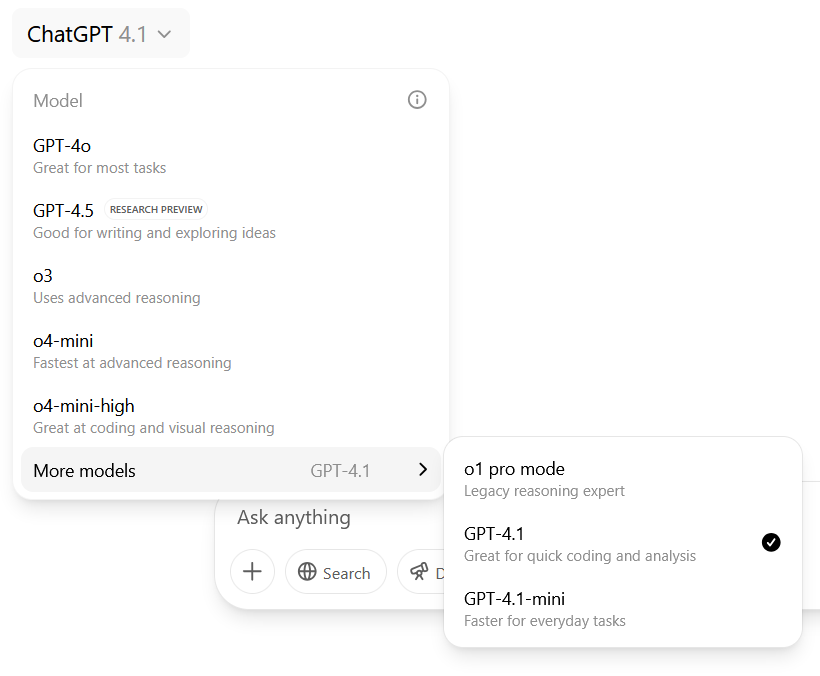
Before GPT-5, ChatGPT Pro users could choose from nine primary models, including Deep Research. (Screenshot from May 14, 2025; OpenAI later replaced o1-pro with o3-pro.)
Credit:
Benj Edwards
Marketing teams, researchers, and developers soon documented broken workflows across social platforms. “I’ve spent months building a system around OpenAI’s limitations in prompts and memory,” one Reddit user wrote. “And in less than 24 hours, they’ve made it useless.”
Why were users’ workflows breaking? Because each AI model is trained differently and produces distinct types of responses. People spend months fine-tuning prompts and techniques tailored to specific model behaviors—so when those models vanish, the entire workflow collapses.
Willison noted that communities had built specialized workflows around models like GPT-4o. One Reddit user summarized it clearly: “GPT-5 is designed for complex reasoning, coding, and professional tasks, but some of us don’t need a hardcore coding model. We rely on 4o for creative work, emotional nuance, roleplay, and other long-form, high-context interactions.”