
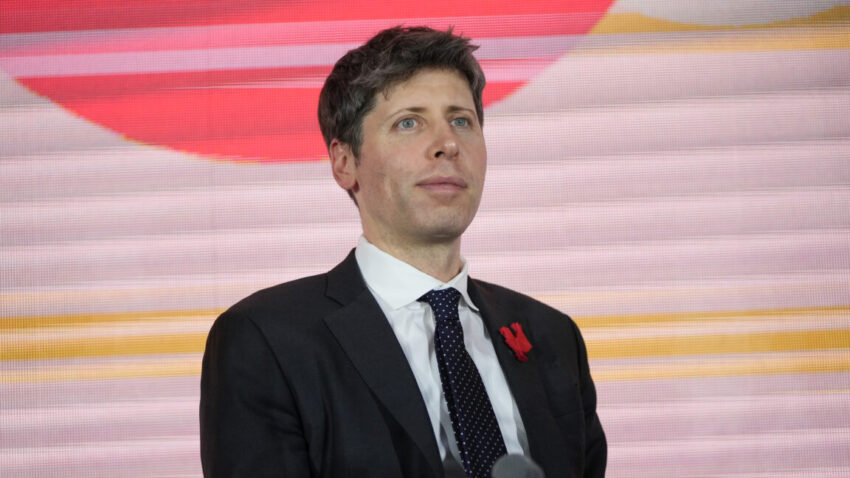
Altman’s recent comments coincided with an MIT report that unsettled tech investors already nervous about soaring AI valuations. Many AI-linked companies have hit extraordinary multiples—Palantir, for example, trades at 280 times forward earnings. By contrast, during the height of the dot-com bubble, earnings ratios between 30 and 40 were often considered clear warning signs of overheating bubble territory.
Altman’s messaging appears contradictory at first glance. He warns publicly about a looming bubble, yet simultaneously pushes for a valuation that would place OpenAI above corporate giants like Walmart or ExxonMobil—companies that generate massive profits year after year. Despite OpenAI’s $1 billion in monthly revenue reported in July, the company is still projected to lose $5 billion this year. So what’s driving the mixed signals?
A look at Altman’s public statements over the years hints at a broader strategic pattern. He often frames his ambitions in extreme terms. Back in February 2024, he reportedly sought an unprecedented $5 trillion–7 trillion for AI chip manufacturing—an amount exceeding the size of the entire global semiconductor industry. By floating such staggering figures, Altman effectively normalizes trillion-dollar discussions in AI circles.
Fast-forward to August 2025: while cautioning that an AI bubble could cost someone a “phenomenal amount of money,” Altman also claimed that OpenAI would eventually “spend trillions on datacenter construction” and serve “billions daily.” The result is a two-layered message—acknowledge the risks while also asserting that OpenAI’s colossal spending is a necessary exception. When economists questioned the sustainability of such ambitions, Altman brushed them off with a simple directive: “Let us do our thing.” By presenting trillion-dollar investments as essential for civilization’s progress, OpenAI’s own $500 billion valuation suddenly looks modest.
This combination of apocalyptic warnings and astronomical targets may appear inconsistent, but it becomes more comprehensible once you consider the nature of today’s AI economy—one flush with unprecedented levels of cash.
A different kind of bubble
The current surge of AI investment doesn’t mirror earlier tech bubbles. Unlike dot-com startups that burned through investor funds with no path to profitability, today’s dominant AI backers—Microsoft, Google, Meta, and Amazon—generate hundreds of billions in profit from established business lines. They can afford prolonged experimentation, massive infrastructure spending, and high-risk R&D in ways that previous generations of tech firms simply could not.